The weekly status report has a structural flaw no template fixes: it's a photograph. Accurate for the moment it was taken, aging from the second it's sent, and scheduled for the writer's convenience rather than the moment anything actually happened. Problems don't wait for Friday.
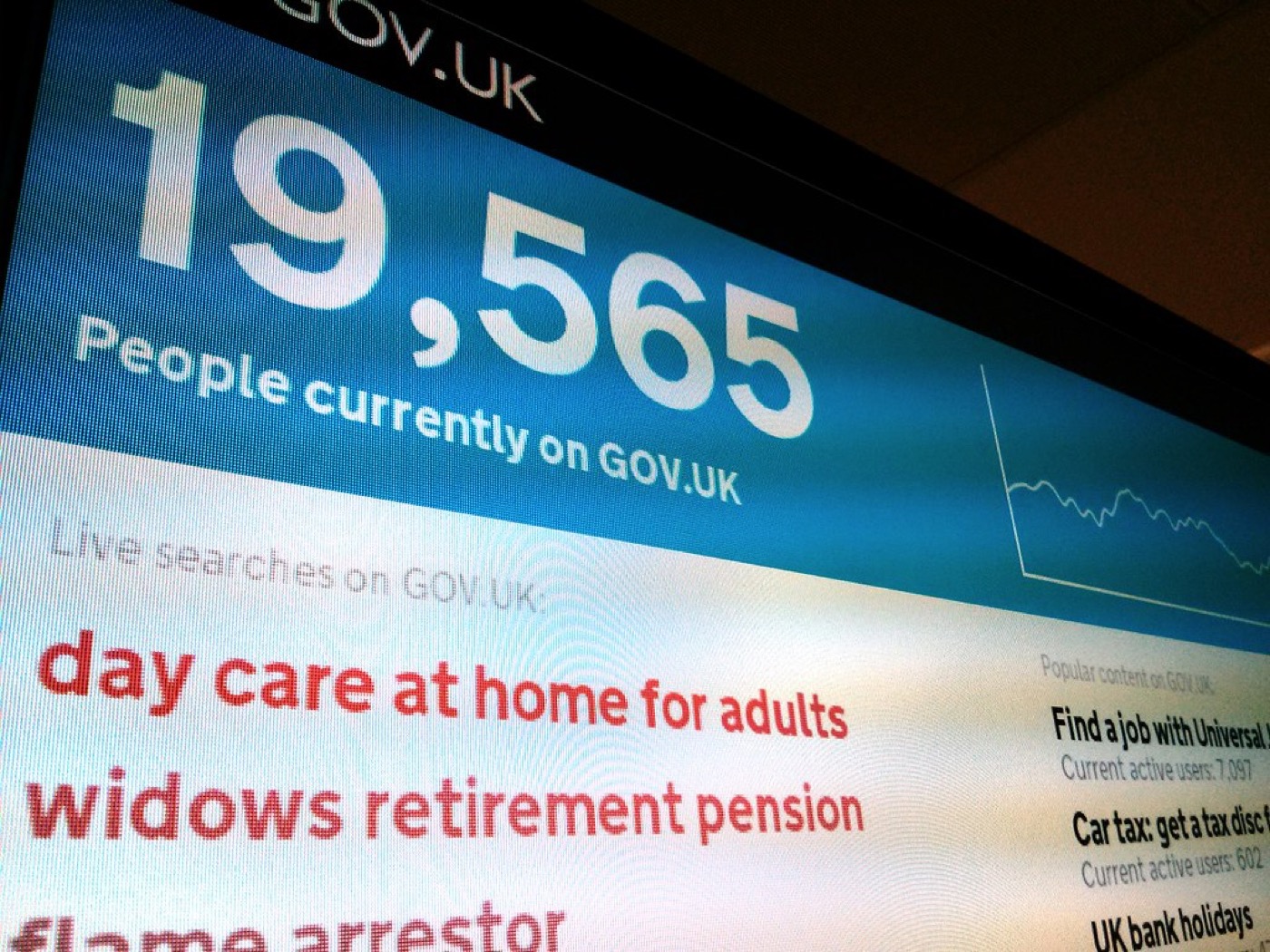 Photo: psd, CC BY 2.0
A pulse is vital signs, not a photograph
A project pulse is continuously derived state: on track or not, what moved, what's stuck, what's due, what needs a human. Not written — computed from the board, the conversations and the deadlines, refreshed as they change. The difference shows up in three places:
- Detection time. A report finds Tuesday's problem on Friday. A pulse flags it Tuesday — a task smelling stuck gets noticed by activity, not by ritual.
- Honesty. Reports are written by people who'd rather not deliver bad news and know it. Derived state doesn't soften anything.
- The asymmetry that matters: with a report, the client often discovers the problem first. With a pulse, you always do — and get to tell them before they ask, which is the entire difference between "vendor I chase" and "team I trust".
What the PM does instead
Nobody's job becomes "write nothing". The pulse handles the derivable; the PM reviews what it flags and spends their attention on the judgment calls — the part reports were always too slow to help with anyway. Clients still get their rhythm (async, in their chat), but it's generated from the pulse, not handwritten from memory.
The Friday report told your client what last week looked like. The pulse tells you what this afternoon looks like. Only one of those prevents anything.
← All posts